Brahmaputra Group

Clean Energy • LPG & CNG

LPG & CNG Solutions for Homes, Industry & Mobility

Brahmaputra Group supports the full value chain — from sourcing and bottling to nationwide distribution, fleet fueling and safety compliance — so you get reliable, efficient and cleaner energy every day.

LPG: Production, Bottling & Distribution

LPG sourcing & imports

1) Sourcing & Imports

LPG (propane/butane mix) is sourced via international suppliers and local processing streams; supply plans consider seasonal demand, maritime logistics and storage capacity.

  • Forecasting & contracts for secure supply
  • Quality spec (propane/butane ratio) by application
  • Marine handling, storage & custody transfer
Supply Quality
Cylinder bottling & QC

2) Cylinder Bottling

Automated filling lines, hydro-test records and periodic inspection ensure cylinders remain safe in domestic and industrial use.

  • Batch testing & tare weight verification
  • Leak checks, O-ring/valve inspection
  • Serialized tracking for service life
Bottling Testing
Bulk storage

3) Bulk Storage & Handling

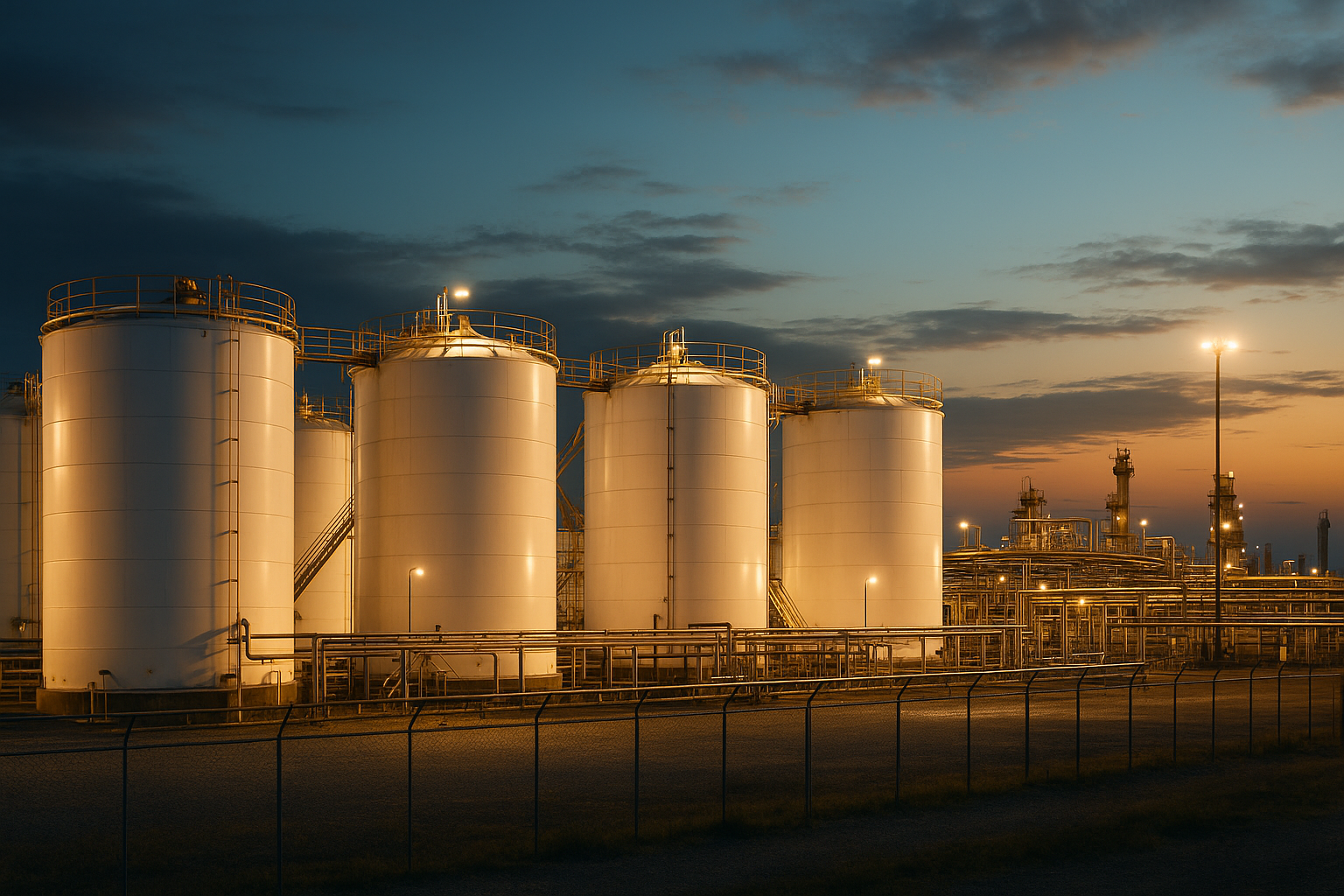
Pressurized tanks with engineered protection (relief valves, ESD, gas detection) and emergency plans aligned to code.

  • Tank farms with firefighting provision
  • Metering, loading gantries & automation
  • ESD systems, alarms & drills
Storage ESD
Distribution to market

4) Distribution to Market

Primary transport to dealers, hubs and commercial users; secondary delivery to households via authorized channels.

  • Fleet monitoring & route safety
  • Dealer network & cylinder swaps
  • Bulk supply to hotels, factories & institutions
Logistics Dealers

CNG: Compression, Storage, Stations & Fleet Fueling

Gas compression

Compression & Drying

High-reliability compressors and dryers prepare gas to dispensing pressure with controls and safety interlocks.

  • Duty/standby compressor architecture
  • Dryers/filters protect engines & meters
  • Automatic shutdown on alarms
Cascade storage

Cascade Storage

Modular cascade banks deliver fast fills and stable dispenser pressure profiles for peak hours.

  • Load-shedding logic to keep queues moving
  • Priority panels & sequencing
  • Scalable for station growth
Dispensers & metering

Dispensers & Metering

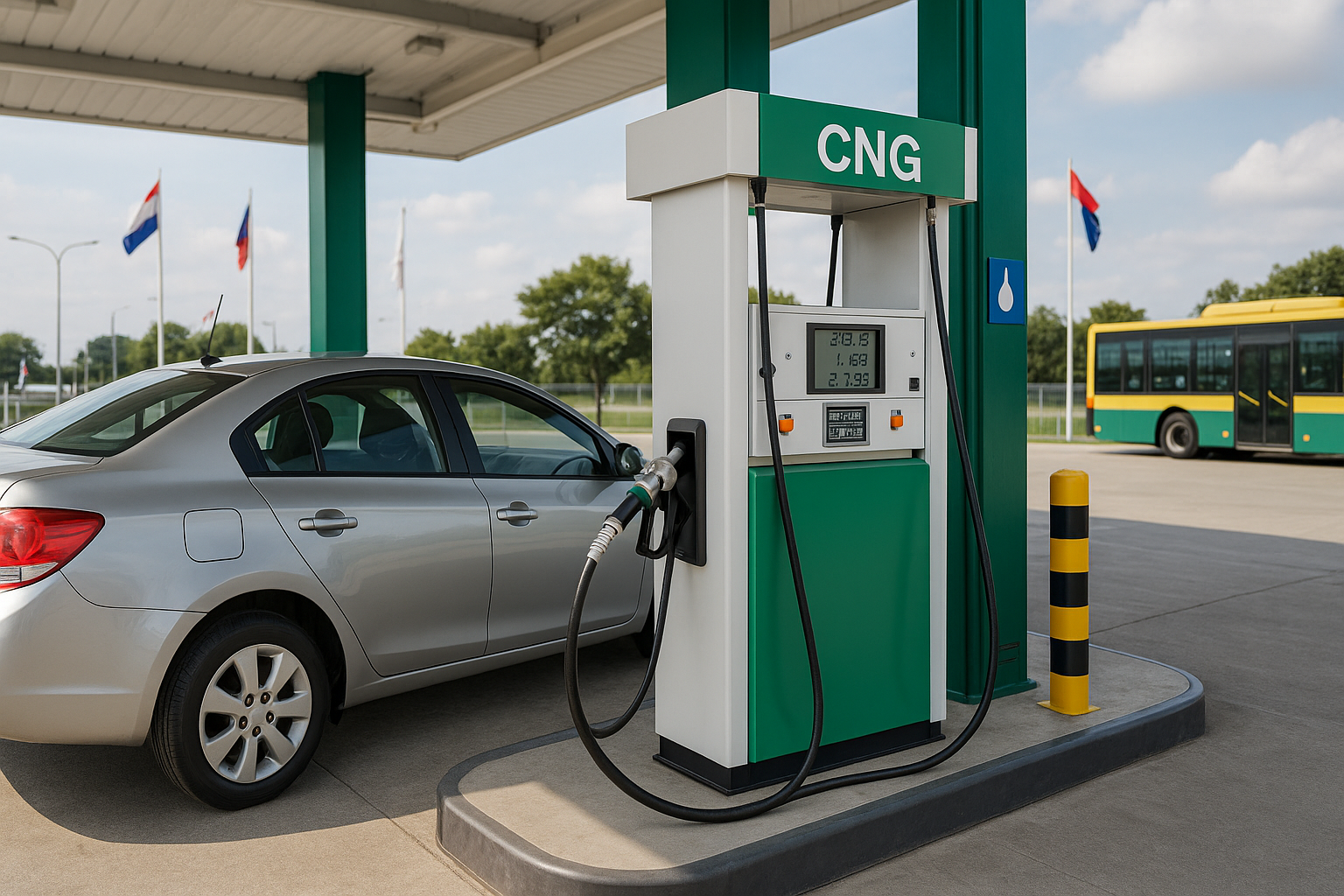
Smart dispensers with certified metering, grounding, emergency stops and breakaways for safe refueling.

  • Data logging & remote monitoring
  • Vehicle class nozzles & hoses
  • Emergency stop & fire suppression integration

CNG Vehicle Systems (Type 1–4 Cylinders)

Lightweight composite options improve mileage; cylinders are certified and require periodic inspection & requalification.

  • Type 1–4 cylinder options by weight and duty
  • Pressure relief devices, shutoff valves, piping standards
  • Conversion with certified kits & trained technicians

Station Delivery Models

From fixed stations to virtual pipelines (trailers/cascades) for off-grid users; remote diagnostics for uptime.

  • Turnkey EPC & commissioning
  • 24/7 operations with SLAs
  • Fleet refueling lanes & scheduling

Safety, Codes & Compliance

Codes & Licensing

Facilities meet the definitions of adequacy and licensing scopes for storage, bottling, dispensing, distribution and refueling as per applicable rules.

  • Defined areas of operation & licensing boundaries
  • Designs aligned with recognized codes
  • Documentation, audits & renewals
LicensingStandards

Inherent Safety

Engineering for prevention: separation distances, gas detection, emergency shutdown, relief devices and fire protection — because safety is an investment, not a cost.

  • Hazard identification & mitigation (HAZOP)
  • Emergency response planning & drills
  • Training for operators & dealers
ESDHAZOP

Distribution Safety

Transport compliance covers routing, cylinder handling, placarding and documentation. Stations adopt queue controls and shutdown interlocks.

  • Driver training & trip permits
  • Periodic cylinder inspection & requalification
  • Dispenser safety: breakaways, grounding, PRDs
LogisticsStations

Applications & Solutions — Box Gallery

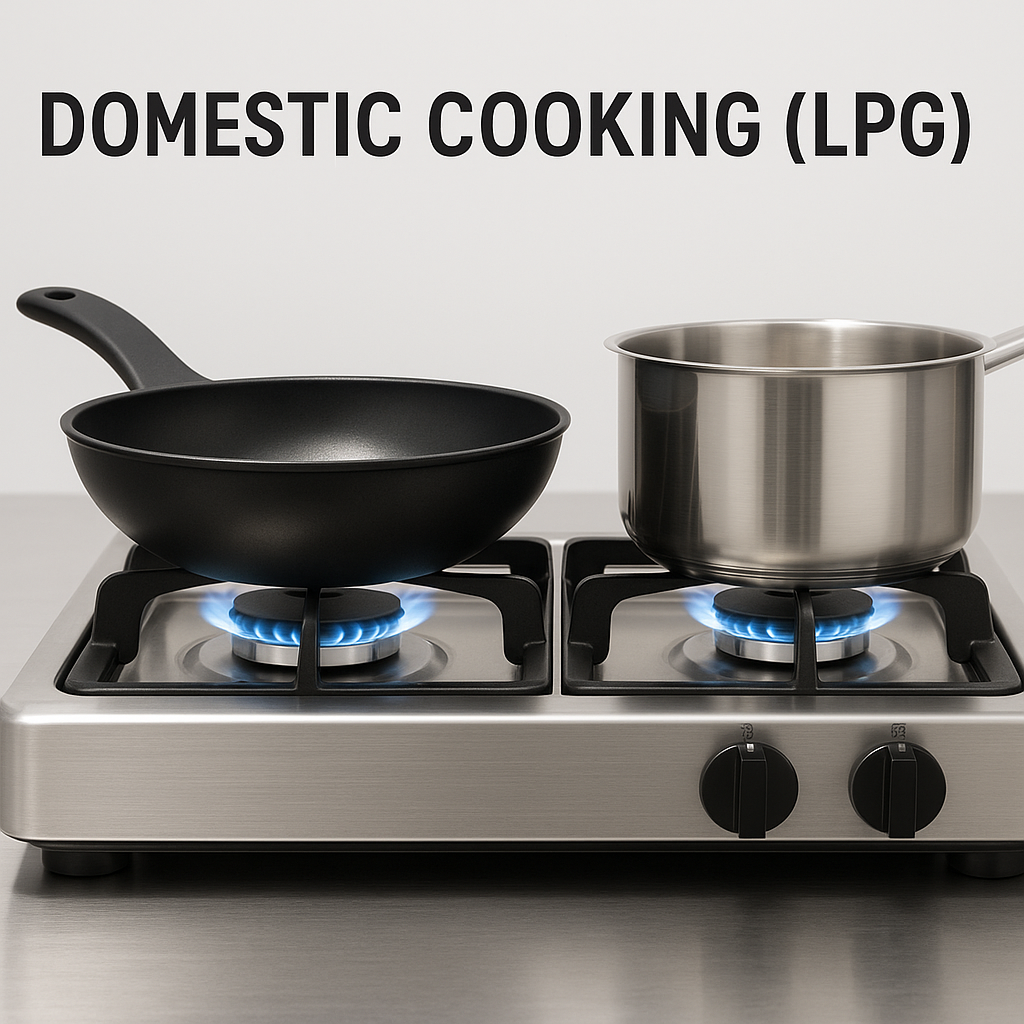
Domestic Cooking (LPG)

Clean flame control and reliable supply for households.

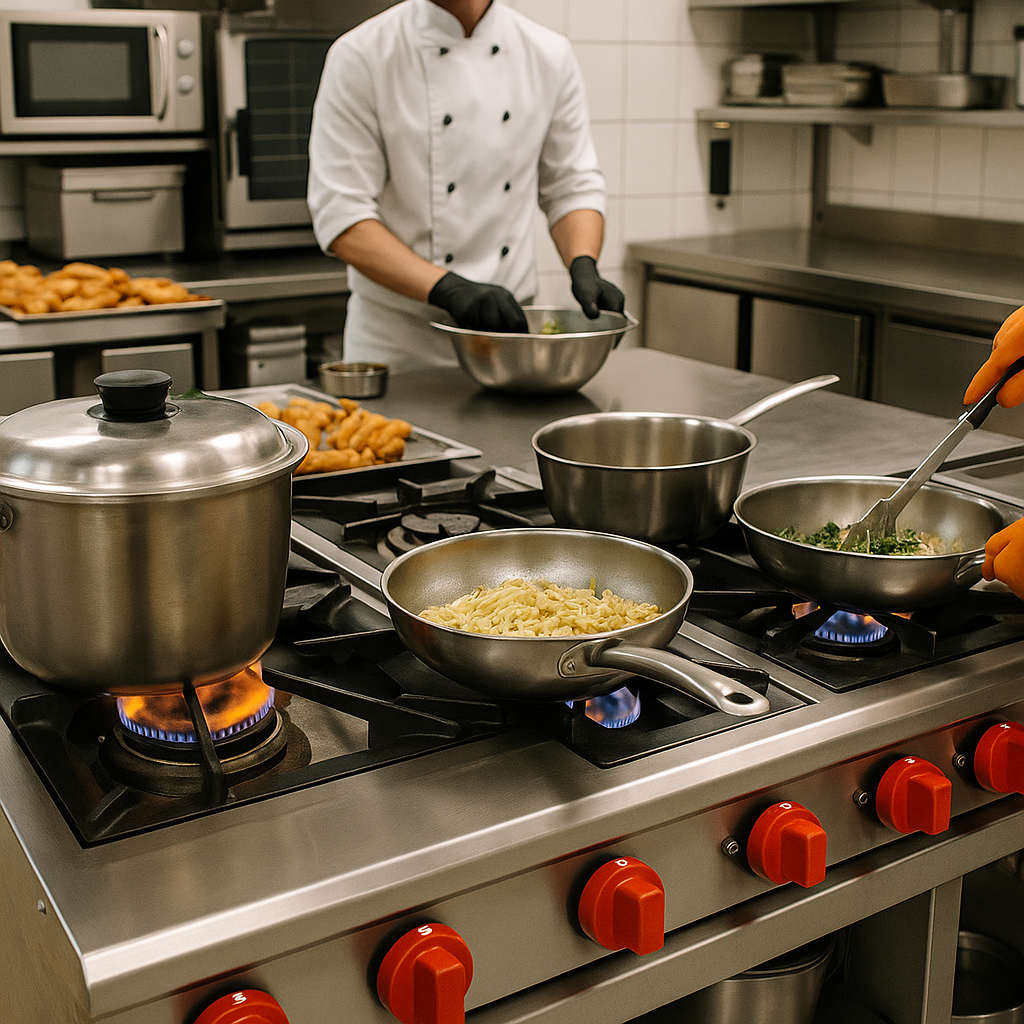
Commercial Kitchens

Hotels, restaurants & catering with bulk or cylinder supply.

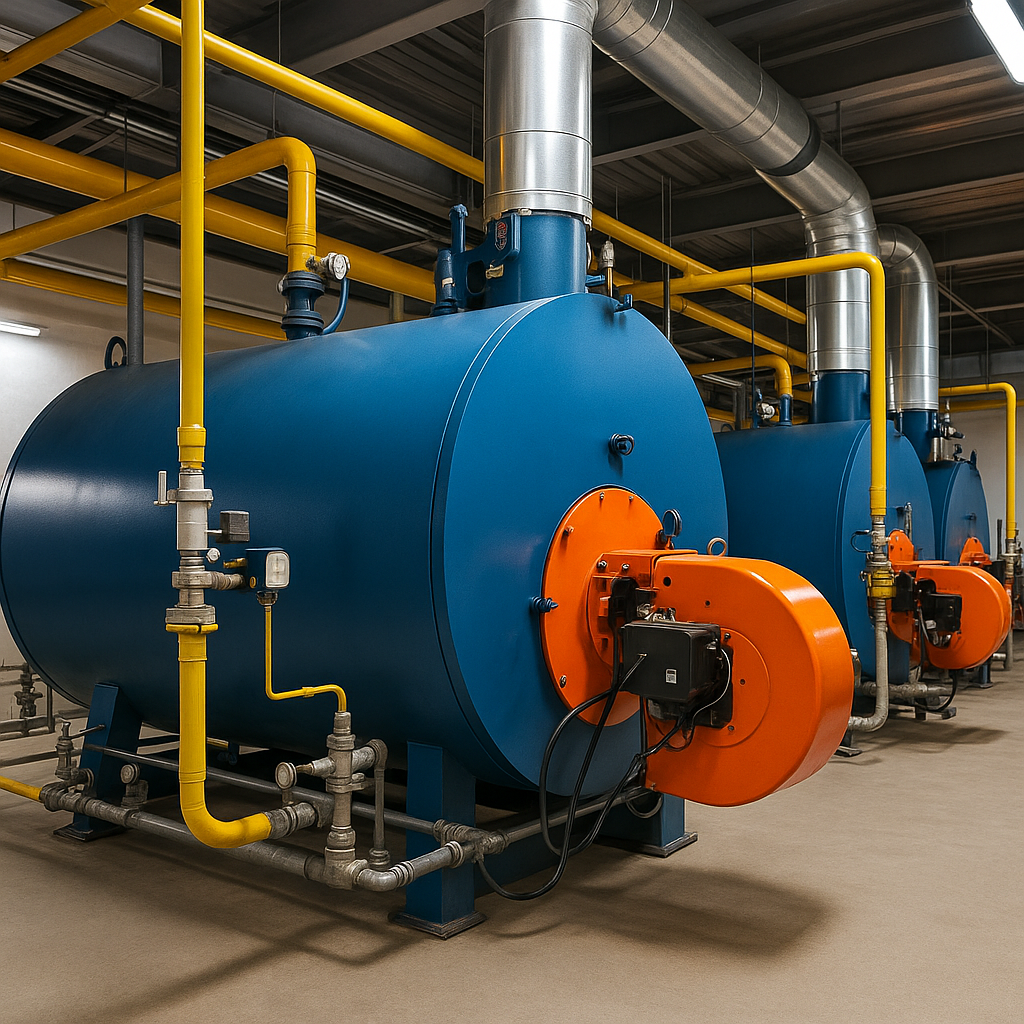
Industrial Heat

Boilers, dryers, kilns and process heating lines.

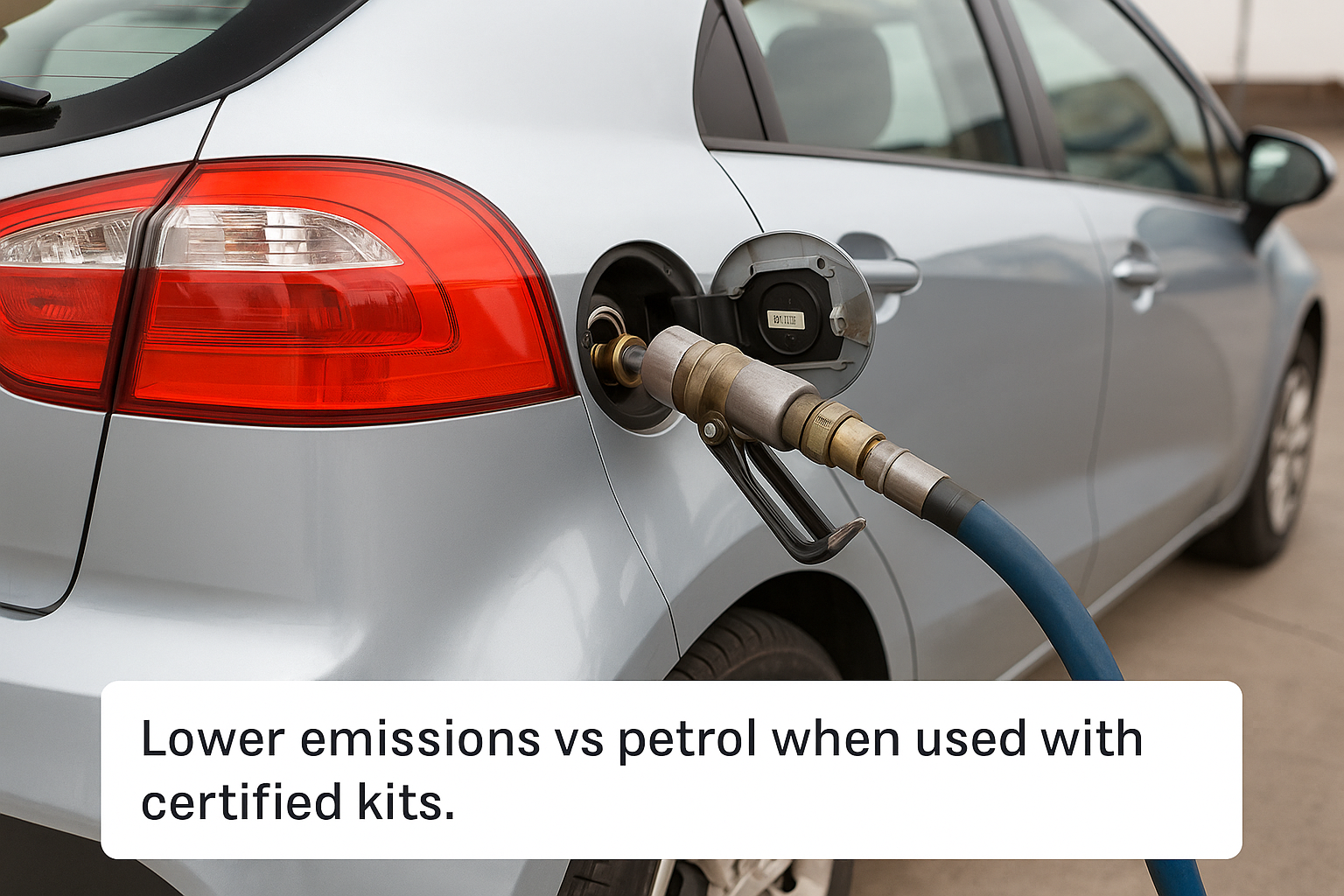
Auto LPG

Lower emissions vs petrol when used with certified kits.

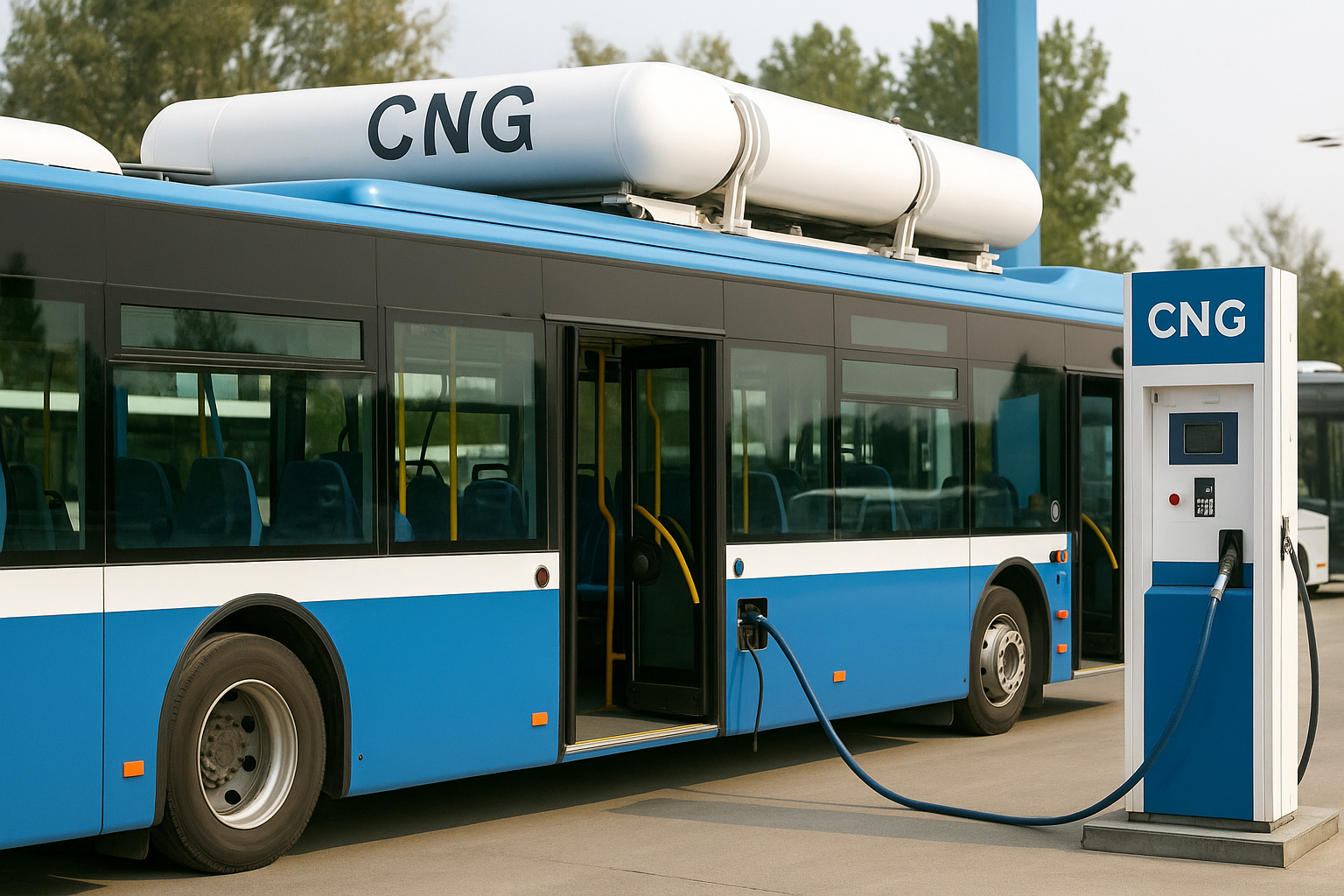
Fleet CNG

Bus & ride-share fleets with station contracts & SLAs.

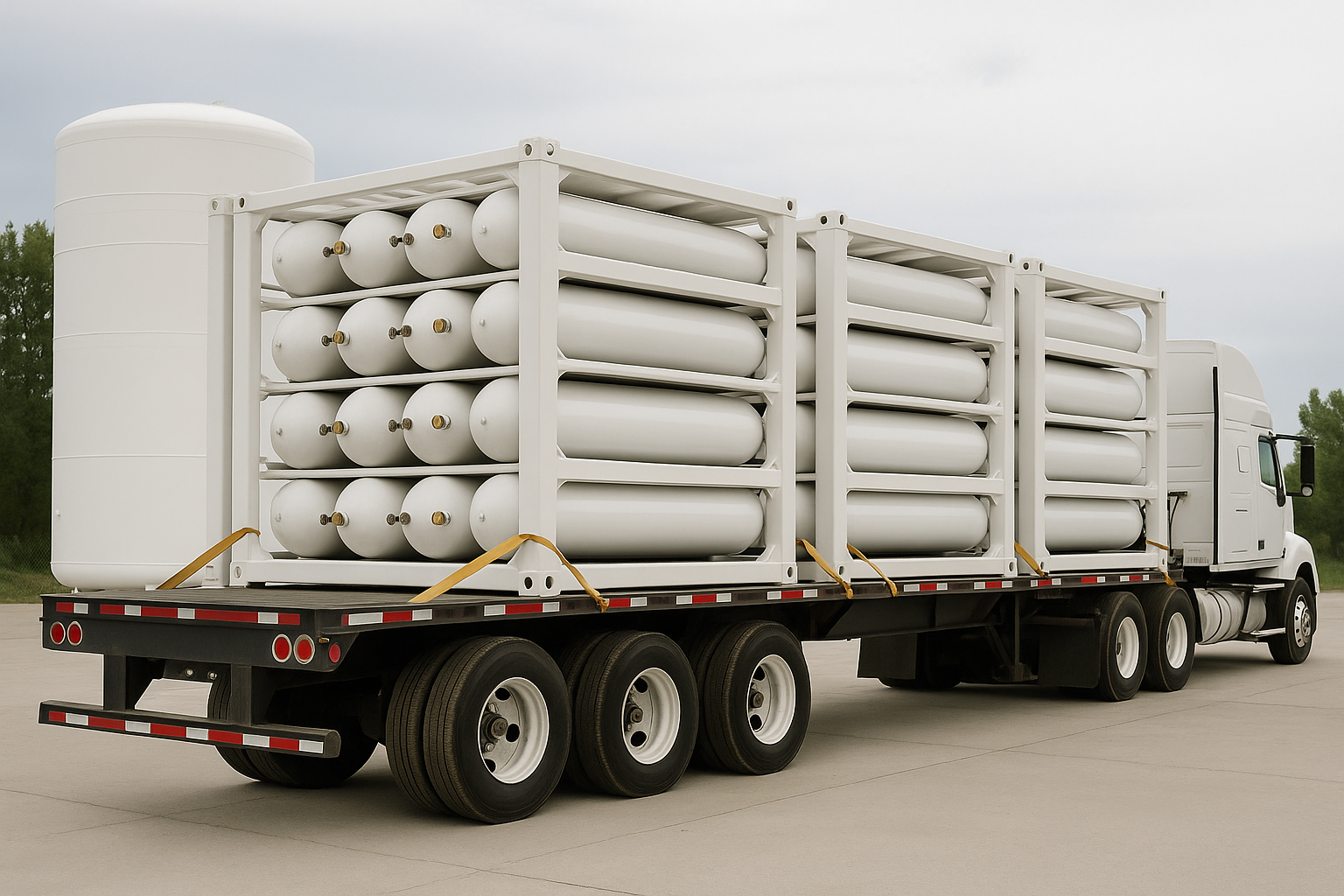
Virtual Pipeline

CNG cascades for sites far from pipelines.

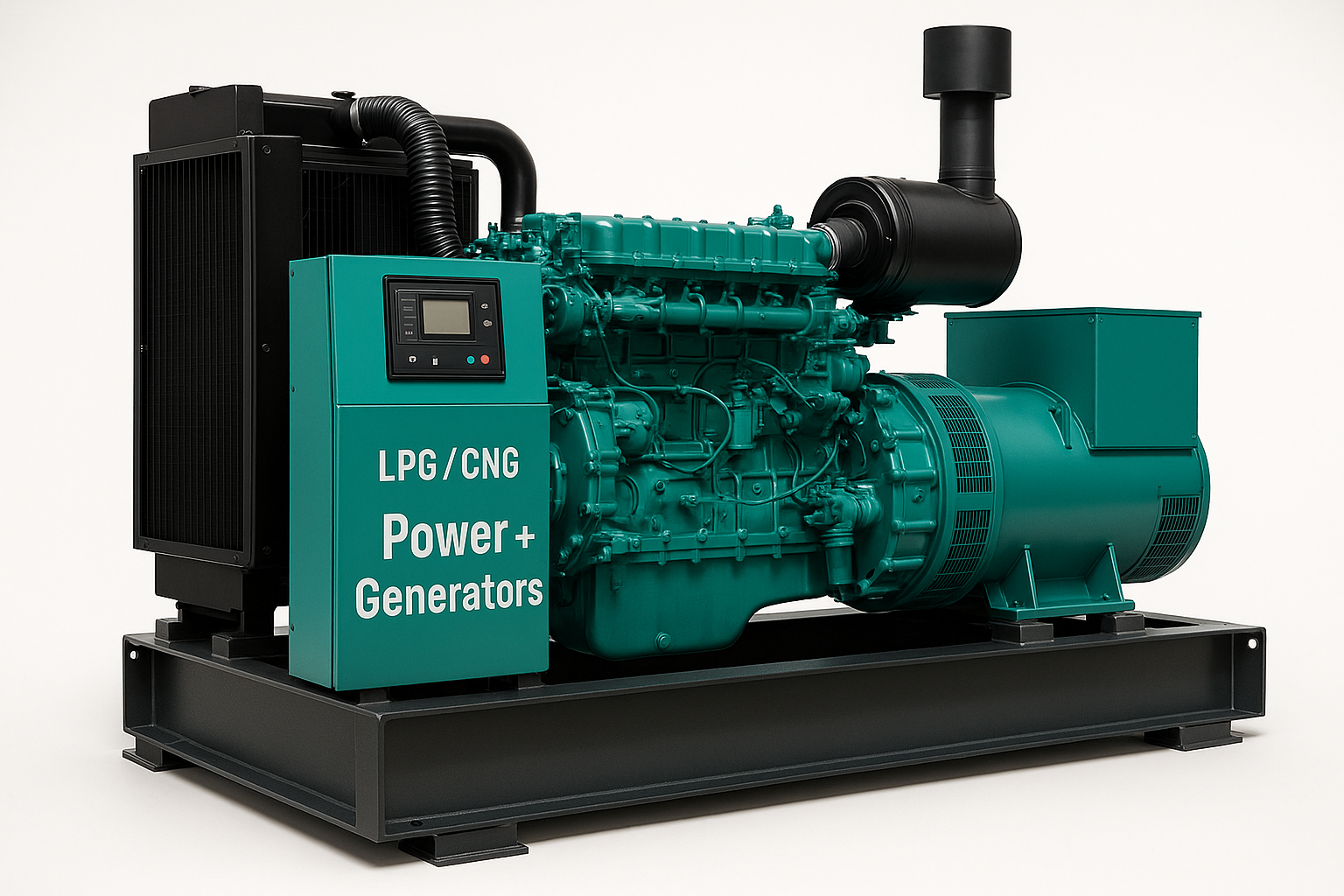
Power & Generators

LPG/CNG fueled gensets with cleaner burn.

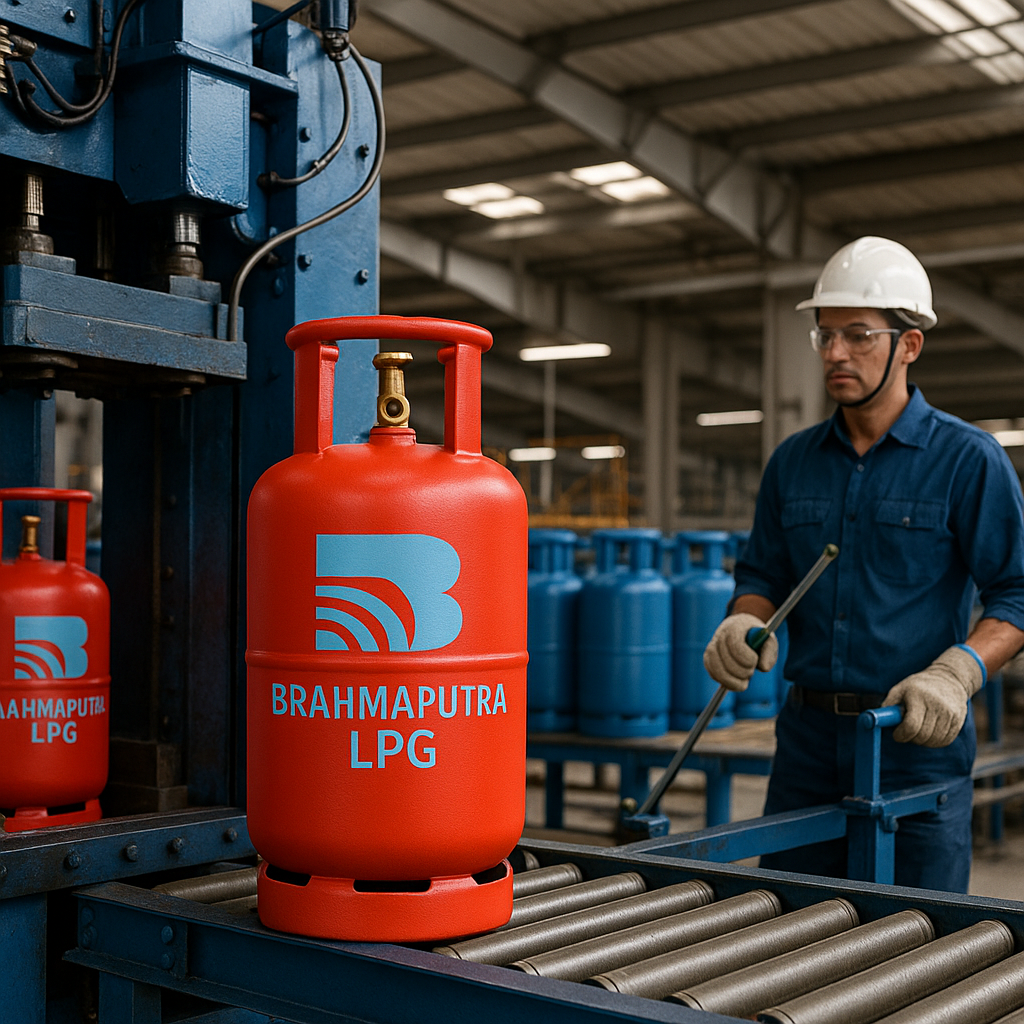
Manufacturing

Cylinder manufacturing, hydro-testing & compliance.

Storage Terminals

Tank farms, loading gantries & firefighting provision.

Distribution Hubs

Dealer networks, cylinder swap & returns management.

Public Stations

CNG/LPG dispensing with certified metering.

Training & Audits

Operator training, drills & compliance audits.

Deep Dives & Articles

How the LPG Value Chain Works in Bangladesh

LPG has become a mainstream alternative to pipeline gas for households and industry. The chain begins with imports or local streams, moves through bulk storage and bottling, and reaches consumers via an authorized distribution network. Quality specs (propane/butane ratios) and safety controls protect each step, while dealer networks and cylinder exchange programs ensure availability.

  • Supply planning: contracts + demand forecasting
  • Bottling: automated filling, leakage checks, hydro testing
  • Distribution: licensed transports, dealer hubs, cylinder swaps
  • End-use: domestic cooking, hospitality, process heat & auto LPG

CNG Stations & Vehicle Systems: What Matters

CNG retail depends on compressor reliability, cascade sizing for peak hours and safety interlocks at dispensers. Vehicles use certified cylinders (Type 1–4) with pressure relief devices and periodic inspections. Conversion should be handled by trained technicians using approved kits; station SLAs keep fleets fueled and on schedule.

  • Priority panels & sequencing for fast fills
  • Dispenser metering & emergency shutdowns
  • Regular cylinder inspection & requalification

Safety & Compliance Are Investments

Adhering to recognized codes and licensing is a moral and economic imperative. Facility design with gas detection, relief systems, separation distances and emergency response planning prevents incidents and protects communities, assets and brands.

  • Site design with inherent safety principles
  • Emergency drills & documentation readiness
  • Training across storage, transport & retail

Market Trends & Opportunities

Bangladesh’s LPG market has expanded rapidly as households and businesses adopt cleaner fuels; CNG remains strong in mobility with established conversion and refueling ecosystems. Growth favors players with robust safety culture, supply reliability and nationwide distribution.

  • Household adoption driving cylinder demand
  • Industrial heat & hospitality as growth nodes
  • Fleet fueling contracts for buses and ride-share

FAQs

What sizes of LPG cylinders are common?
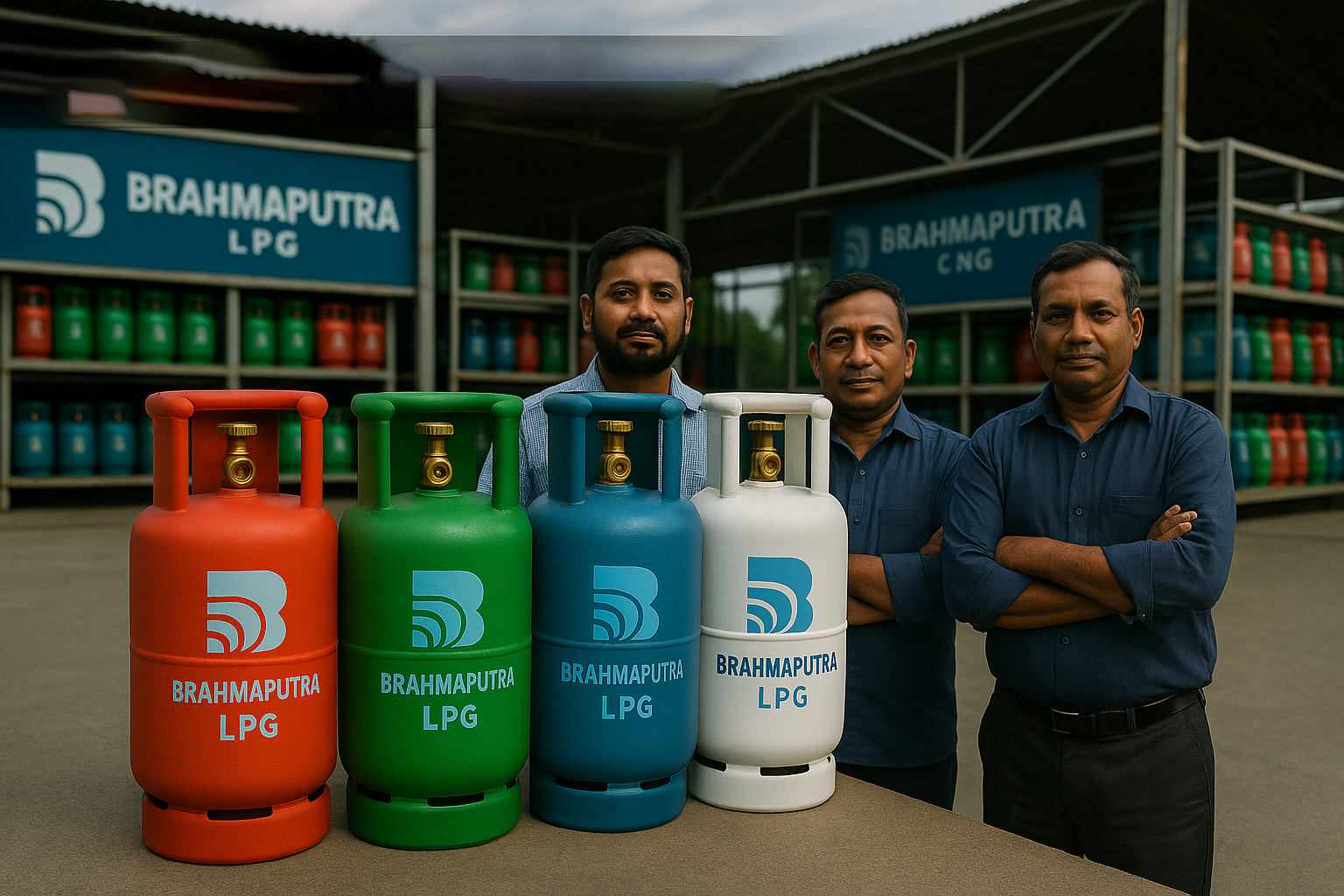
Household cylinders are typically 12–14.2 kg; commercial/industrial options and custom capacities are also supported. Always check regulator and valve compatibility.
What’s needed to set up a CNG station?
Compression packages, drying/filtration, cascade storage, dispensers with certified metering, safety interlocks, power & fire protection — plus licensing and compliance audits.
How often are CNG cylinders inspected?
Cylinders undergo periodic inspection and requalification per the cylinder type and code requirements; replace components that exceed service life.
Do you provide training?
Yes. We conduct operator training for bottling, logistics, and station operation, including emergency response drills and documentation.